Planning & Design
Do I Need Planning Permission for an Extension in Edinburgh?
Planning permission, permitted development, conservation areas and building warrants — what Edinburgh homeowners need to know before extending.
MJM Joinery & Building ·
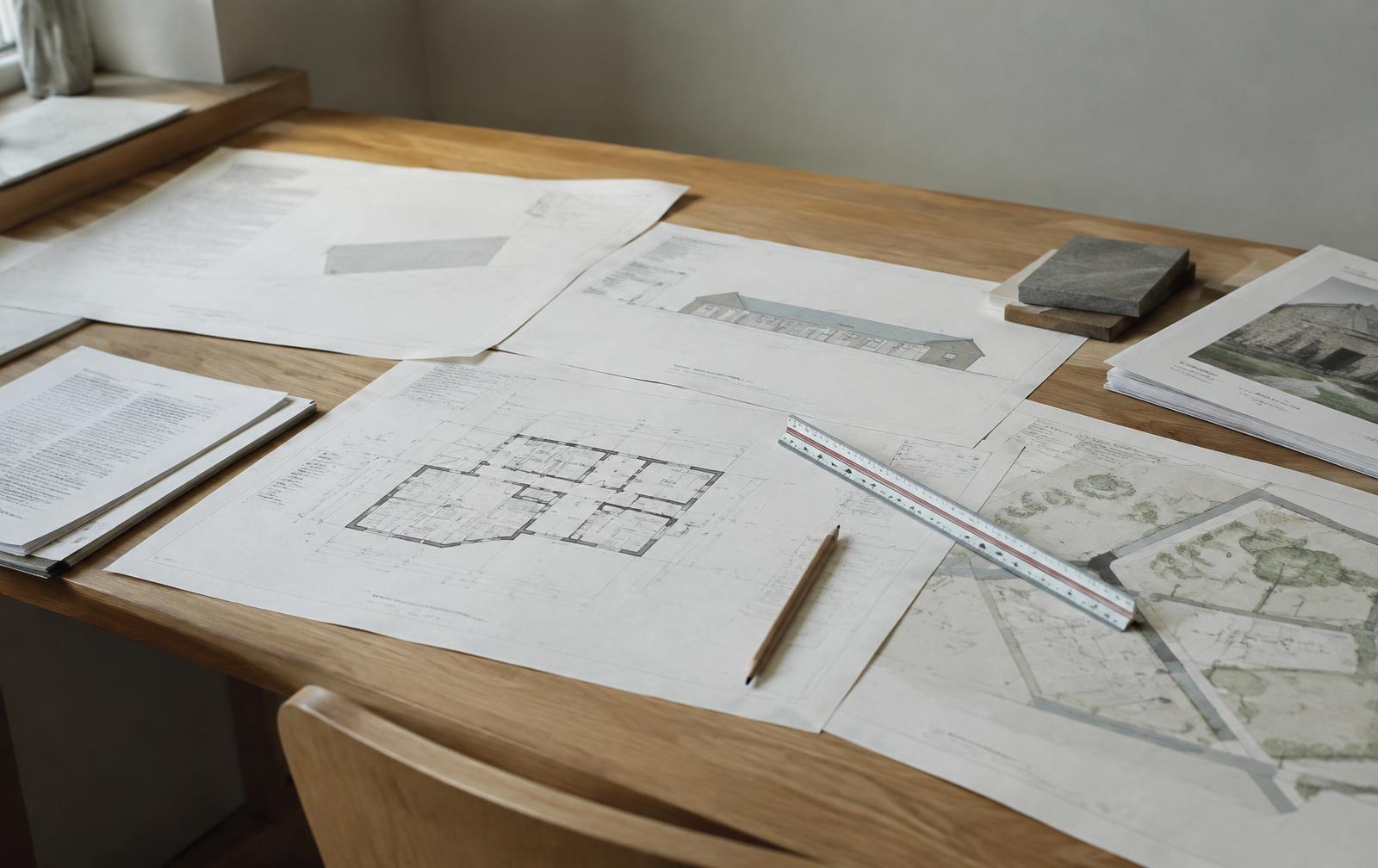
Planning permission is one of the most common sources of uncertainty for homeowners considering an extension. This guide explains the main considerations in Edinburgh. It is general guidance — every property is different, and your architect or the council should confirm the position for your home.
Planning permission and building warrants are different things
In Scotland there are two separate consents that often apply to an extension:
- Planning permission is about whether the development is acceptable in principle — its size, appearance and impact on neighbours and the surrounding area.
- A building warrant is about how it is built — structure, fire safety, energy performance, drainage and accessibility.
Many homeowners assume that if they do not need planning permission, they can start building. That is rarely the case: most extensions still require a building warrant before work begins.
Permitted development
Some smaller extensions can be built without a planning application under what are known as permitted development rights. These rights come with conditions on size, height, position and distance from boundaries.
Permitted development rights are restricted or removed in a number of situations, including:
- Properties in conservation areas
- Listed buildings
- Flats and some other property types
- Where previous extensions have already used the allowance
Because the rules are detailed, it is sensible to confirm the position in writing before relying on them. Your architect can advise, and the council offers ways to confirm whether planning permission is needed.
Conservation areas in Edinburgh
A large proportion of Edinburgh lies within conservation areas — including much of the New Town, Morningside, Marchmont, Stockbridge, Trinity, the Grange and many villages such as Colinton, Cramond and Corstorphine.
In a conservation area, the council pays particular attention to how an extension relates to the character of the area. This can influence:
- Materials — such as natural stone, slate and timber windows
- The scale and position of the extension
- Visibility from the street
- Removal of trees, which may also require consent
Listed buildings
If your home is listed, listed building consent is likely to be required for alterations to the building, including some internal changes. Early discussions with the council and an experienced architect are essential.
Neighbours
Neighbours are notified of planning applications and can comment. Talking to them before submitting an application is often worthwhile; it can address concerns early and avoid delays.
How long does it take?
The council has target timescales for deciding householder applications, but conservation areas, listed buildings, design amendments and consultation responses can extend these. The building warrant is a separate process and should be allowed for in your programme as well.
Our role
MJM works alongside your architect or designer, and can introduce trusted professionals where needed. We review drawings for buildability and cost, and build to the approved plans and warrant.
Read more about house extensions in Edinburgh or start your project.